Automotive
Develop and validate traction batteries and EV powertrains. Predict pack behavior under aggressive duty cycles before metal moves.

Battery Twin is a real-time simulation platform for electrochemical energy storage — modeling cell chemistry, aging, and state-of-health from R&D through end-of-life. Trusted across automotive, medical, and grid storage for over 25 years.
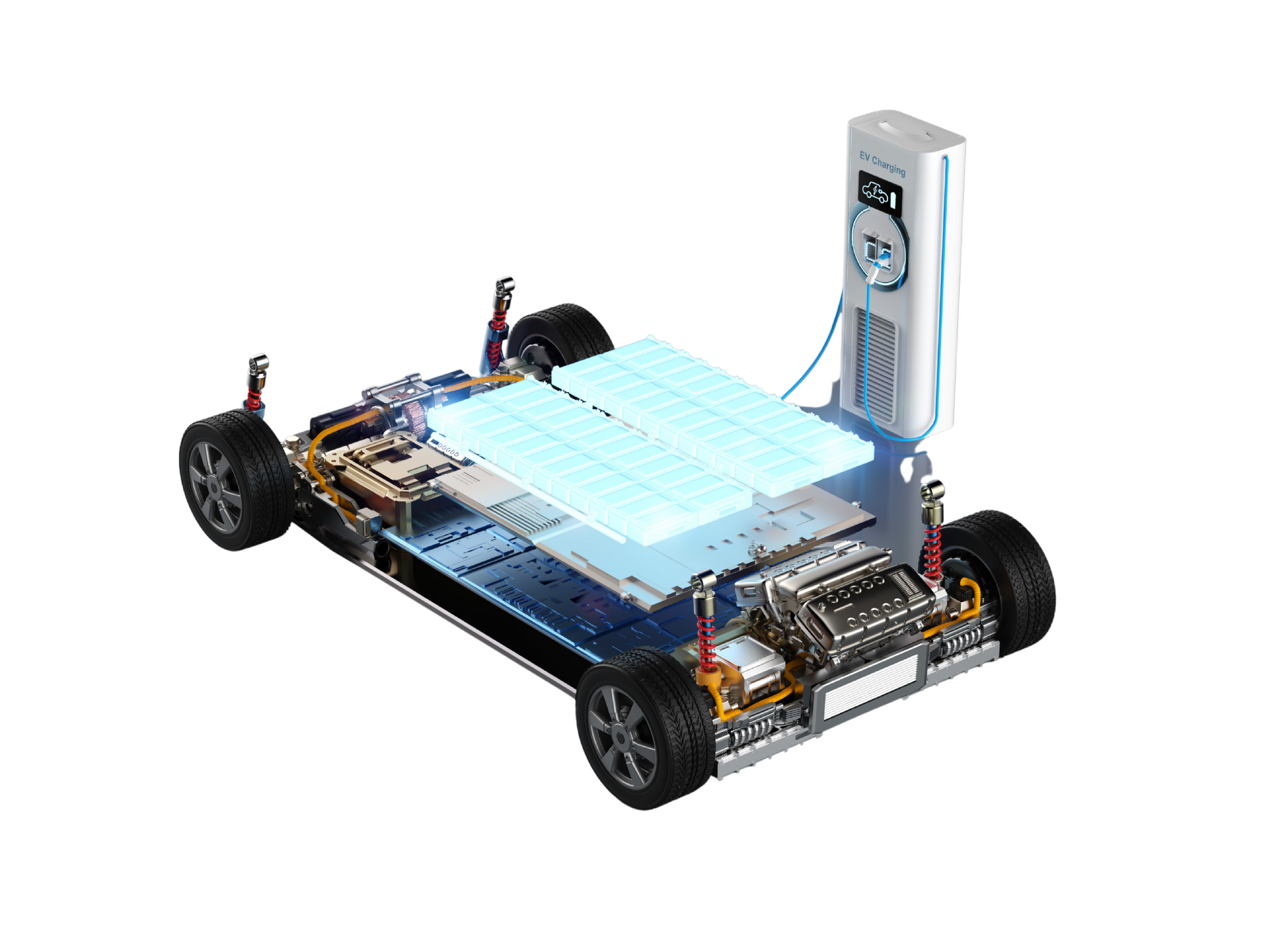
Battery Twin pairs every physical battery with a high-fidelity virtual replica — capturing electrochemistry, thermal dynamics, and aging effects across the full operating envelope.
Run it as a desktop tool, embed it as a real-time module in your HIL stack, or co-simulate alongside MATLAB/Simulink, Python, and FMI-compatible tools. The accuracy/speed tradeoff is yours to tune.
Plug in datasheets and empirical data; get a parameterized model that predicts terminal behavior and reveals what's happening inside the cell — calendar aging, cyclic aging, SOC drift, internal resistance creep.
The same simulation core powers four very different worlds — each with its own demands on accuracy, speed, and interface.
Develop and validate traction batteries and EV powertrains. Predict pack behavior under aggressive duty cycles before metal moves.
Design and optimize battery systems for medical devices where reliability is non-negotiable and lifetime predictability is mandatory.
Maximize performance and longevity in stationary storage, BESS, and industrial applications — from single cell to full system.
Drop our real-time models into sector-specific HIL environments. EtherCAT, CAN, RS232, Ethernet — pick your interface.
Most simulation tools cover one phase. Battery Twin stays with your battery from first prototype to last cycle — and informs second-life decisions after that.
Accelerate early-phase decisions with parametric simulation. Test cell choices, pack topologies, and thermal strategies before tooling.
Run virtual qualification campaigns. Validate BMS algorithms in HIL before connecting a real cell. Reduce destructive testing.
Compare live telemetry against the twin to detect drift, predict failures, and inform predictive maintenance.
Use accumulated cycle history to inform end-of-life grading. Extend useful service into second-life applications.
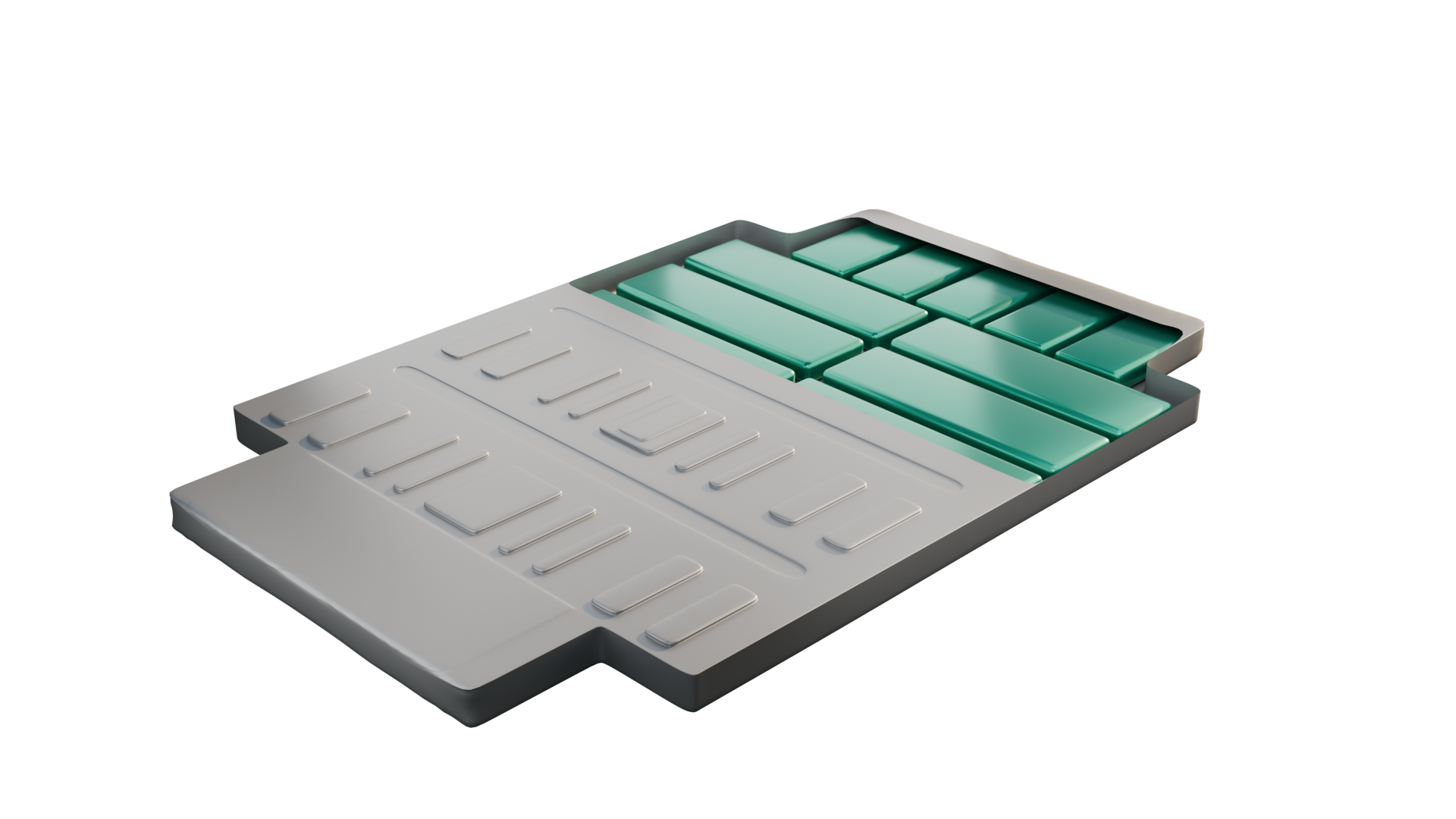
Each row is a category of capability. Each tag is a specific feature shipping today.
Native support for the languages, standards, and bus protocols that battery and powertrain teams already live in.
Battery Twin's technology has academic roots and industrial scars — built by engineers who've parameterized cells for production programs, contributed to international standards, and published peer-reviewed work on electrochemical state estimation.
Our team contributes to industry standards and collaborates with academic partners and OEMs on pre-competitive research programs.
Methods don't sit on shelves — new state-estimation and aging models ship into the platform on a rolling release cadence.
Comprehensive parameter database for common commercial cells. Bring your own datasheet and empirical data; we'll fit the rest.
Open documentation, application notes, and white papers so your engineers can ramp without a phone call — though we're happy to take the call.
Tell us what you're building — EV traction pack, medical implant, grid-scale BESS — and we'll set up a working demo with a parameterized cell that looks like yours.